
Anti-Fatigue Mats
Anti-fatigue mats are cushioned floor mats designed to reduce the fatigue that builds up when people stand for long periods on hard surfaces like concrete. CCOHS describes them as "mats designed to reduce fatigue caused by standing for long periods on a hard surface." The right mat encourages small, subtle movements of the leg muscles that a bare hard floor does not.
This page is the starting point for choosing anti-fatigue matting for any North American workplace, office, warehouse, kitchen, lab, assembly line or checkout. Below we cover how they work, how to choose thickness and edges, and how the answer changes by environment. When you know what you need, send us the details for a spec and quote.
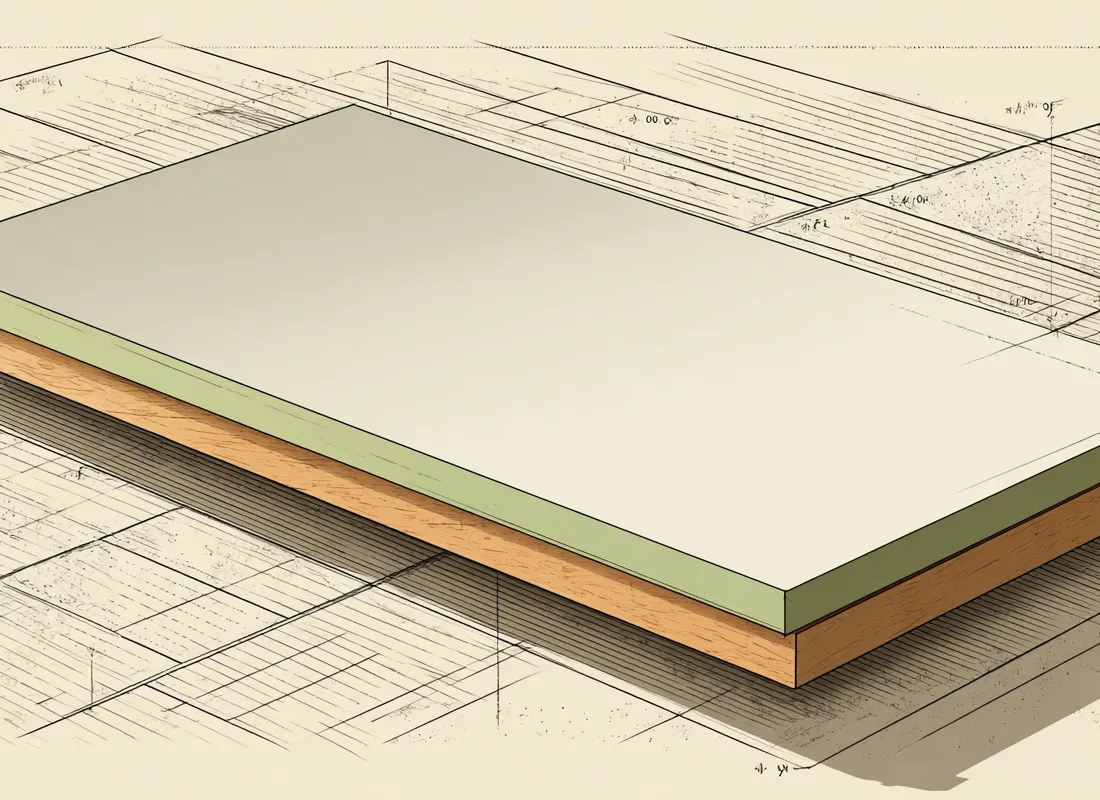
In short
Anti-fatigue mats are resilient floor mats that reduce the fatigue of standing on hard floors by encouraging small leg movements; choose a mat with some give (not the softest), beveled edges, and a material matched to your environment, and treat it as one ergonomic control, not a certified cure.
Cushioned standing surface
A slightly compressible surface that eases long spells of standing on hard floors.
Beveled, trip-safe edges
Sloped edges reduce trip risk and let carts roll on and off, a key safety detail.
Matched to the floor
Dry office, wet kitchen, oily shop floor or ESD lab each call for a different mat.
Honest, standards-aware
No mat is "OSHA-certified"; we frame guidance around what OSHA, NIOSH and CCOHS actually say.
What is an anti-fatigue mat?
An anti-fatigue mat is a floor mat with a resilient, slightly compressible surface, foam, rubber, gel or polyurethane, placed where people stand in one spot for long periods. Standing still on concrete keeps the same muscles loaded continuously; a resilient mat encourages the small postural shifts that keep blood moving and reduce the discomfort of prolonged standing.
They are one part of good workstation ergonomics, not a cure. NIOSH notes that "dynamic movement appeared to be the best solution" for the problems caused by prolonged standing, so mats work best alongside sit-stand rotation, breaks and suitable footwear.
How much cushioning, and why softer isn’t better
It is tempting to assume a thicker, softer mat is more comfortable, but that is not how it works. CCOHS is explicit: "Do not use thick foam-rubber mats. Too much cushioning can cause fatigue and increase the hazard of tripping." A mat that is too soft makes the leg muscles work harder to stabilize, which is itself tiring.
Aim for a mat with some elasticity that still feels stable underfoot. Typical anti-fatigue thicknesses run from about 3/8" to 3/4" (roughly 9-19 mm); firmer, thinner mats suit precise work and rolling loads, while thicker mats suit stationary standing where nothing needs to roll across them.
Choosing by workplace environment
Dry areas, office, retail, assembly
A closed-cell foam, rubber or polyurethane mat with beveled edges. For a desk, see standing desk mats; for a line, assembly line mats; for a register, cashier mats.
Wet or greasy areas, kitchens, wash-down
A commercial kitchen anti-fatigue mat with drainage holes and grease-resistant nitrile rubber, so liquids drain away from underfoot.
Industrial and specialty floors
Oil-resistant nitrile for shop floors (industrial ergonomic mats); static-controlling ESD mats for laboratory and electronics benches.
| Environment | Key requirement | Mat to consider |
|---|---|---|
| Office / standing desk | Comfort, low profile, non-toxic | PVC-free foam or polyurethane standing mat |
| Retail checkout | Comfort at a fixed spot, clean look | Cushioned cashier / register mat |
| Commercial kitchen | Drainage, grease & slip resistance | Drainage nitrile kitchen mat (NSF-listed) |
| Warehouse / assembly | Durability, modularity, oil resistance | Nitrile or modular interlocking workstation mat |
| Lab / electronics | Static control, chemical resistance | ESD / anti-static anti-fatigue mat |
Do anti-fatigue mats actually work?
For comfort, many workers report meaningfully less discomfort standing on a suitable mat than on bare concrete, and NIOSH lists floor mats among the interventions "used by employees to reduce the pain, discomfort and fatigue from prolonged standing." What no mat can claim is a certified medical outcome, there is no standard that certifies "anti-fatigue" performance, and results vary by person, task and how long they stand.
Treat a mat as one control among several. Combine it with movement, footwear and, where possible, a sit-stand option, that combination does more than any mat alone. For the full program view, see anti-fatigue mats in the workplace.
How to choose and buy the best anti-fatigue mat
There is no single best anti-fatigue mat for every floor. A standing desk needs a compact, low-odor mat that is easy to move. A commercial kitchen needs grease-resistant drainage. A machining cell needs nitrile rubber that tolerates oil and coolant. A long production line may need interlocking tiles with replaceable sections. Start with the environment, then compare support, edges, durability and evidence for the exact product.
Before buying in the United States or Canada, write down the standing hours, floor type, liquids or chemicals, station size and traffic. Ask suppliers for the named material, thickness, firmness or compression data, beveled-edge design, product-level traction or specialty certification, warranty, delivered price and return or trial terms. For a brand-neutral shortlist, use our North American anti-fatigue mat brand guide or request a specification.
Ask a supplier for
Whichever brand you shortlist, request this data before you commit, a good supplier answers all of it quickly:
- 1The exact material (nitrile rubber, closed-cell PVC foam, polyurethane, gel), not just "premium foam"
- 2Thickness plus durometer or compression-deflection data for your standing hours
- 3Edge design: beveled/ramped, non-curl, and how edges hold up under carts
- 4Product-level certifications: NFSI High-Traction for slip; nothing certifies "anti-fatigue"
- 5Warranty terms against your actual duty cycle, and realistic service life
Comparing suppliers? See how to compare anti-fatigue mat suppliers or browse our fair brand comparisons.
Mat selector
Find your likely mat spec
Tell us where people stand and what the floor is like, and we’ll point you to a neutral spec path and what to ask a supplier. No brands, no scores, just a sensible starting point.
Likely spec path
General anti-fatigue
What to tell a supplier
- Beveled edges and a mat sized to cover the full standing zone
- Supportive firmness, not the softest option (CCOHS cautions overly soft mats)
Neutral spec guidance, no brands, no obligation.
FAQ
Anti-Fatigue Mats: questions
Honest answers specific to this type of matting.
Do anti-fatigue mats really help with standing all day?
They can. A resilient mat encourages subtle leg-muscle movement and many people find standing far more comfortable on one than on bare concrete. NIOSH lists floor mats among interventions used to reduce the discomfort and fatigue of prolonged standing. They work best combined with movement, breaks and good footwear, no mat is a medical device or a certified cure.
Is a thicker, softer mat always more comfortable?
No. CCOHS advises against thick foam-rubber mats because too much cushioning can actually increase fatigue and trip risk. Choose a mat with some give that still feels stable underfoot, usually about 3/8" to 3/4" thick, rather than the softest option.
Are anti-fatigue mats an OSHA requirement?
No. OSHA has no specific standard for anti-fatigue mats or prolonged standing. Employers have a general duty under OSHA’s General Duty Clause to provide a workplace free from recognized hazards, and mats can support efforts to reduce standing-related discomfort, but you should never treat a mat as "OSHA-certified" or "OSHA-required." In Canada there is no mandate either; CCOHS publishes guidance on prolonged standing, and enforcement sits with the provincial OHS regulators.
What thickness of anti-fatigue mat should I choose?
It depends on the task. Thinner, firmer mats (around 3/8"-1/2") suit precise work and areas where carts or chairs roll; thicker mats (5/8"-3/4") suit stationary standing. Whatever the thickness, choose beveled edges to reduce trip risk. Tell us the task and we’ll suggest a suitable spec.
Related guides
Go deeper before you specify
What Are Anti-Fatigue Mats? A Plain-English Guide
A plain-English guide to anti-fatigue mats: what they are, how they help people who stand all day, materials, thickness, edges, and what to look for.
Read guideHow Anti-Fatigue Mats Work
How anti-fatigue mats actually work: the micro-movement effect, why softer isn't better, and where mats fit alongside movement, footwear, and breaks.
Read guideThe Best Mats for Standing All Day at Work
How to pick the best mat for standing all day: standing-time guidance, thickness, edges, and the right mat by environment, with a quick comparison table.
Read guideHow to Choose Ergonomic Matting: A Buyer's Checklist
A buyer's checklist for choosing ergonomic matting: environment, standing time, thickness, durometer, edges, material and procurement.
Read guideDo Anti-Fatigue Mats Meet a Standard?
No standard certifies anti-fatigue performance. What OSHA, CCOHS, NFSI, NSF, ANSI/ESD and GREENGUARD actually cover, and how to verify a claim.
Read guideDoes OSHA Require Anti-Fatigue Mats?
No — and no mat is 'OSHA-certified'. What the General Duty Clause actually implies, the evidence to document, and how CCOHS frames it in Canada.
Read guideNitrile vs PVC Anti-Fatigue Mats: Which Should You Specify?
Nitrile rubber vs PVC foam anti-fatigue mats on oil resistance, cell structure, durability and cost, so you can spec the right one by environment.
Read guideGel vs Foam Anti-Fatigue Mats: Which Feels Better for Standing?
Gel vs foam and polyurethane anti-fatigue mats on underfoot feel, stability and compression set, and why softer isn't always better.
Read guideAnti-Fatigue Mats in Canada: CCOHS, CSA and What Differs from the US
No Canadian law requires anti-fatigue mats. What CCOHS actually recommends, what CSA Z1004 covers, and why "OSHA-compliant" means nothing in Canada.
Read guideRelated matting
Compare nearby options
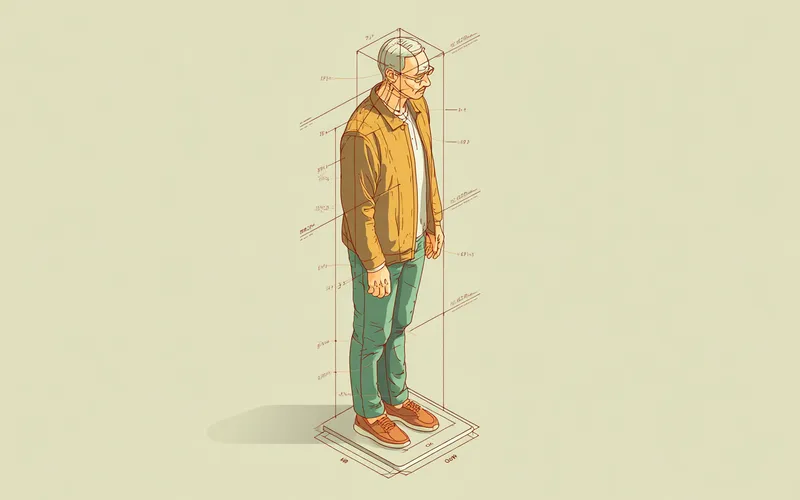
Ergonomic Floor Mats
Ergonomic floor matting framed the right way, as one part of a workstation ergonomics program, not a standalone fix for standing fatigue.
Explore matting
Standing Desk Mats
Anti-fatigue mats made for sit-stand desks, how to choose between flat comfort mats and contoured "active" mats, and what to look for in office-grade materials.
Explore matting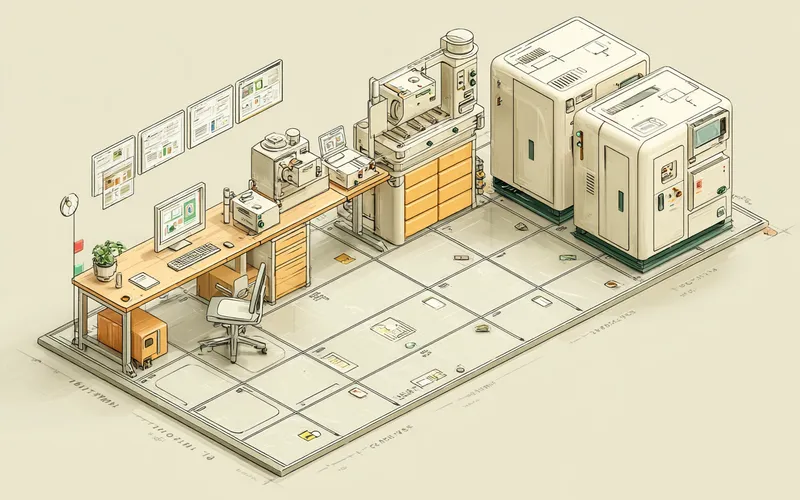
Industrial Ergonomic Mats
Heavy-duty anti-fatigue matting for warehouse, manufacturing and shop-floor workstations, built for durability, oil resistance and modular coverage.
Explore matting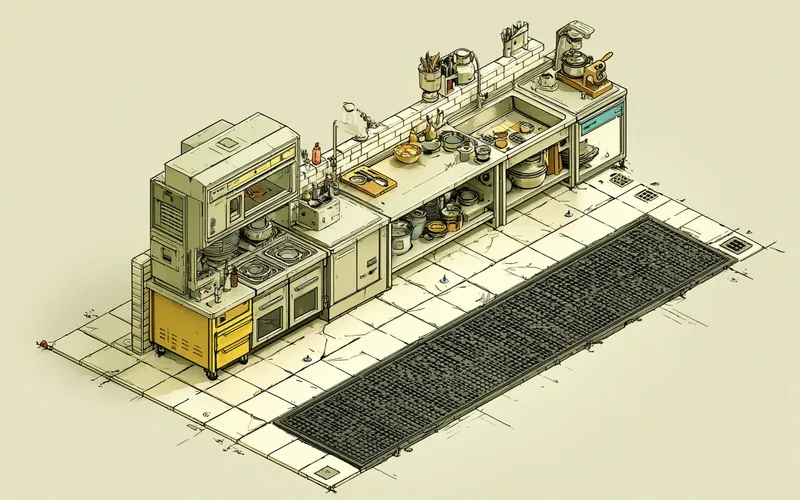
Commercial Kitchen Anti-Fatigue Mats
Drainage anti-fatigue matting for commercial kitchens, grease-resistant, slip-safe and NSF-listed grades for wet food-service floors.
Explore matting
Eco-Friendly Mats
The hub for sustainable matting, recycled, PVC-free and low-VOC options explained honestly, with what to actually verify before you believe an eco claim.
Explore mattingGet help choosing
Find the right mat for your standing zone
Tell us the environment, standing hours, floor type, any wet, oil, grease or ESD condition, the approximate size or number of stations, and any sustainability requirements. We’ll return a neutral mat specification you can use with any supplier.
- No obligation
- No paid rankings
- US & Canada