
Cashier & Register Mats
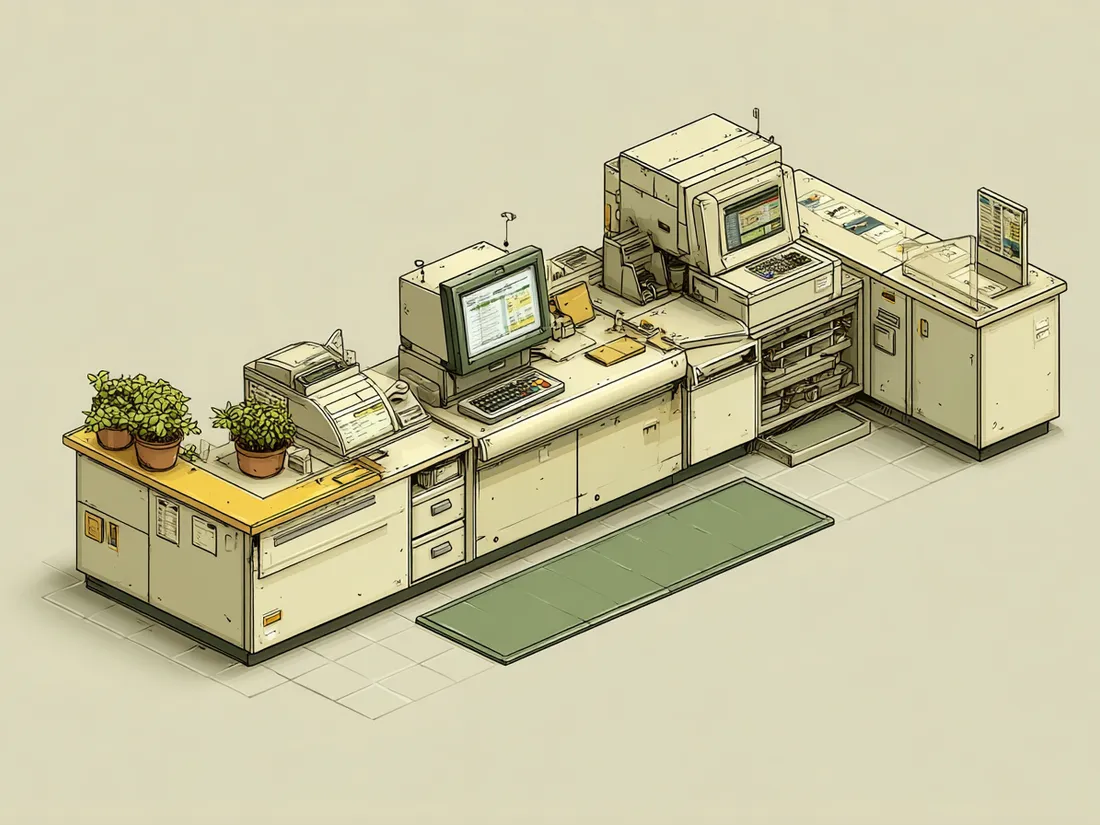
Cashiers, tellers and counter staff stand in one small spot for hours, often on hard tile or concrete. A cashier mat is an anti-fatigue mat sized for that fixed position, enough cushioning to ease a long shift, in a finish that looks right on a sales floor.
Retail adds its own requirements: the mat has to look tidy in front of customers, cope with foot traffic and rolling carts nearby, and never become a trip hazard at a busy checkout. Below is how to choose one.
In short
Cashier and register mats are compact anti-fatigue mats that cover a fixed checkout standing spot with beveled, low-profile edges, a non-slip backing and a tidy retail finish; a lightly textured surface helps because cashiers stand almost still.
Comfort at a fixed spot
Cushioning tuned for standing in one small area through a full shift.
Retail-ready looks
Clean finishes and colors that suit a customer-facing checkout.
Beveled, low-profile edges
Sloped edges so customers, staff and carts cross safely.
Easy to clean
Surfaces that wipe down and cope with everyday retail spills.
What a cashier mat needs to do
The core job is comfort at a stationary position: a resilient surface that reduces the fatigue of standing on hard retail flooring. Because the cashier barely moves, a slightly contoured or textured surface can help by encouraging small weight shifts, the same micro-movement principle that helps at a standing desk.
Sizing is usually a compact mat or a runner behind the register. Keep the standing zone fully covered so the cashier isn’t half-on, half-off the mat, which is both uncomfortable and a trip risk.
Safety and looks on the sales floor
A checkout is a high-traffic, customer-facing spot, so the mat must be trip-safe and tidy. Choose beveled, low-profile edges, keep the mat flat, and replace any mat with curling corners. A non-slip backing stops it creeping on smooth tile. CCOHS notes sloped edges are less of a trip hazard and let carts roll over more easily, exactly what a checkout needs.
Materials and maintenance
Closed-cell foam, rubber and polyurethane all work at a register; the priority is a surface that wipes clean and holds up to constant standing and the occasional spill. For environments that want non-toxic, low-odor construction, PVC-free options are available, see PVC-free mats. For general anti-fatigue background, see anti-fatigue mats.
Ask a supplier for
Whichever brand you shortlist, request this data before you commit, a good supplier answers all of it quickly:
- 1The exact mat size against the register footprint, including where staff pivot, reach and step off
- 2Edge profile and anti-curl construction, because customers, carts and staff may cross the mat
- 3Surface finish and color options suitable for a customer-facing checkout
- 4Cleaning instructions for spills, tracked-in moisture and daily retail maintenance
- 5Warranty or replacement terms for fixed-position standing through full shifts
Comparing suppliers? See how to compare anti-fatigue mat suppliers or browse our fair brand comparisons.
FAQ
Cashier & Register Mats: questions
Honest answers specific to this type of matting.
What mat is best for a cashier or register?
A compact anti-fatigue mat sized to fully cover the standing spot, with beveled low-profile edges and a non-slip backing so it stays put on smooth tile. A slightly textured or contoured surface helps, because a cashier stands almost still. Pick a finish that looks tidy on the sales floor and wipes clean.
How big should a checkout mat be?
Big enough that the cashier stands fully on it without stepping half-off, usually a compact mat or a runner along the register. Covering the whole standing zone matters for both comfort and trip safety.
Will a register mat be a trip hazard for customers?
Only if it’s the wrong mat or poorly placed. Choose beveled, low-profile edges, keep it flat with a non-slip backing, and replace any mat that starts to curl. Sloped edges, as CCOHS recommends, reduce trip risk and let carts roll across.
Can cashier mats handle spills and cleaning?
Yes, closed-cell foam, rubber and polyurethane cashier mats all wipe clean and cope with everyday retail spills. Choose a sealed, non-absorbent surface and a non-slip backing, and clean underneath periodically so it doesn’t trap grit.
Related guides
Go deeper before you specify
The Best Mats for Standing All Day at Work
How to pick the best mat for standing all day: standing-time guidance, thickness, edges, and the right mat by environment, with a quick comparison table.
Read guideWhat Are Anti-Fatigue Mats? A Plain-English Guide
A plain-English guide to anti-fatigue mats: what they are, how they help people who stand all day, materials, thickness, edges, and what to look for.
Read guideRelated matting
Compare nearby options
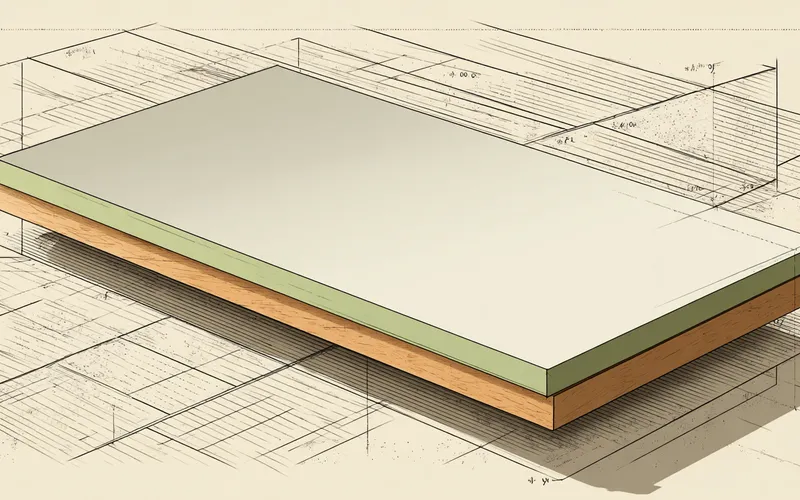
Anti-Fatigue Mats
The hub for anti-fatigue matting, cushioned floor mats that reduce the fatigue of standing on hard surfaces, chosen by workplace, standing time and environment.
Explore matting
Ergonomic Floor Mats
Ergonomic floor matting framed the right way, as one part of a workstation ergonomics program, not a standalone fix for standing fatigue.
Explore matting
Healthcare Anti-Fatigue Mats
Anti-fatigue matting for fixed standing zones in healthcare, nurse stations, pharmacies, reception and lab benches, chosen for cleanability, low-profile trip safety and material transparency.
Explore matting
Commercial Kitchen Anti-Fatigue Mats
Drainage anti-fatigue matting for commercial kitchens, grease-resistant, slip-safe and NSF-listed grades for wet food-service floors.
Explore matting
PVC-Free Mats
Anti-fatigue mats made without PVC, why it matters for indoor air quality, what replaces it, and how to verify low-VOC and non-toxic claims.
Explore mattingGet help choosing
Find the right mat for your standing zone
Tell us the environment, standing hours, floor type, any wet, oil, grease or ESD condition, the approximate size or number of stations, and any sustainability requirements. We’ll return a neutral mat specification you can use with any supplier.
- No obligation
- No paid rankings
- US & Canada