
Healthcare Anti-Fatigue Mats
Healthcare anti-fatigue mats are for the fixed spots where staff stand for long stretches: nurse stations, pharmacy counters, reception and check-in, lab benches, medication prep and charting areas. On those hard floors a resilient mat relieves the fatigue of prolonged standing.
The priorities here are cleanability, a low profile and trip control, and materials that suit an enclosed, air-sensitive space, judged honestly. We do not make medical, antimicrobial or infection-control claims for mats; below is what genuinely helps a healthcare buyer choose, and what to ask a supplier to verify.

In short
Healthcare anti-fatigue mats are for fixed standing zones, nurse stations, pharmacies, reception, lab benches and charting, chosen for cleanability, a low trip-safe profile and PVC-free or low-emission materials; they relieve standing fatigue and make no antimicrobial, infection-control or clinical claim, so verify cleaning compatibility and any certification per product.
Fixed standing zones
Matting at counters, stations and benches where staff stand, not in circulation routes.
Cleanable surfaces
Sealed, wipe-clean surfaces, checked against your facility cleaning protocols.
Low-profile & trip-safe
Beveled, low-profile edges near carts, wheelchairs and stretchers.
Material transparency
PVC-free and low-emission options for enclosed rooms, verified per product.
Where healthcare mats fit
Healthcare matting belongs at fixed standing positions, not in corridors or patient-transfer routes. Typical spots are nurse stations, pharmacy dispensing counters, reception and check-in desks, laboratory benches, imaging control desks, and medication-prep or charting areas where staff stand at a terminal or counter for long periods.
These are standing-comfort placements, not sterile-field products. A mat supports staff who stand; it makes no claim about the clinical environment around it. Keep mats to the standing zone and out of the paths of carts, wheelchairs and stretchers.
| Zone | Standing pattern | What to prioritize |
|---|---|---|
| Nurse station | Long shifts at a counter or terminal | Low-profile, cleanable, beveled edges |
| Pharmacy | Prolonged standing at dispensing counters | Supportive firmness, wipe-clean surface |
| Reception / check-in | Standing at a front desk | Low-profile mat, non-slip backing |
| Lab bench | Precise bench work standing still | Firm stance; chemical-tolerant, cleanable surface |
| Imaging / control desk | Standing at a control station | Comfortable low-profile mat, trip-safe edges |
| Utility / cleaning area | Standing where water or spills collect | Cleanable, lift-out, slip-safe surface |
Cleaning, disinfection and material compatibility
In healthcare, cleaning drives the spec. Choose a mat with a sealed, non-absorbent surface that wipes down, and, crucially, confirm it tolerates the specific cleaning and disinfection agents your facility uses, some surfaces degrade under certain disinfectants. Ask the supplier for cleaning-agent compatibility and cleaning instructions for the exact product.
We do not claim any mat is antimicrobial or reduces infection. If a product markets an antimicrobial or similar treatment, treat it as an unverified claim unless the supplier provides product-specific, regulated (for example EPA-registered) documentation, and remember such a treatment is an addition to cleaning, never a replacement for it.
Trip safety and accessibility
A low profile and safe edges matter more in healthcare than almost anywhere, because carts, IV poles, wheelchairs and stretchers move nearby. Choose beveled, low-profile edges and a reliable non-slip backing, keep the mat flat, and replace any mat that starts to curl. CCOHS notes that improperly installed matting is itself a trip hazard.
Where a mat sits on or near an accessible route, consider its thickness and edge transition for wheeled equipment and mobility devices, and confirm placement does not obstruct access. Accessibility requirements are site-specific, so verify them for your facility rather than assuming a mat meets them.
Comfort without instability
As with any anti-fatigue mat, softer is not better. Staff at a nurse station or pharmacy often move quickly and precisely, so a supportive, stable surface serves better than a deep, soft one. CCOHS cautions that overly soft or thick mats can increase fatigue and trip risk, aim for supportive resilience that stays stable underfoot.
Air quality and material claims
Many healthcare standing areas are enclosed, so indoor air quality is a fair consideration. PVC-free construction and low-emission materials are available; where emissions matter, some mats carry GREENGUARD certification, which attests to low chemical emissions only, not to any health or antimicrobial benefit. Ask for the certificate for the specific product. For how the material options compare, see the mat materials hub.
Ask a supplier for
Whichever brand you shortlist, request this data before you commit, a good supplier answers all of it quickly:
- 1Cleaning-agent compatibility and cleaning instructions for the exact product, against your facility protocols
- 2A sealed, non-absorbent, wipe-clean surface, and a low-profile beveled edge with non-slip backing
- 3Product-specific, regulated documentation for any antimicrobial claim (for example EPA registration), if one is made
- 4PVC-free construction and any emissions certificate (e.g. GREENGUARD) for the specific product, for enclosed rooms
- 5Thickness and edge transition suitable near carts, wheelchairs and mobility devices
Comparing suppliers? See how to compare anti-fatigue mat suppliers or browse our fair brand comparisons.
FAQ
Healthcare Anti-Fatigue Mats: questions
Honest answers specific to this type of matting.
Are anti-fatigue mats suitable for nurse stations?
Yes, at the fixed spot where staff stand at the counter or terminal. Choose a low-profile mat with beveled edges and a non-slip backing, sized to the standing zone and kept clear of cart and stretcher routes. Confirm the surface tolerates your cleaning protocol. A mat relieves standing fatigue; it makes no clinical claim.
Can healthcare mats be disinfected?
Many have sealed, wipe-clean surfaces, but compatibility varies by product and by disinfectant, some agents degrade some surfaces. Do not assume; ask the supplier for cleaning-agent compatibility and cleaning instructions for the exact mat, and check them against the agents your facility uses.
Are antimicrobial mats required?
No standard requires an antimicrobial mat, and we make no antimicrobial or infection-control claims. If a product markets such a treatment, ask for product-specific, regulated documentation (for example EPA registration), and treat it as an addition to routine cleaning, not a substitute. Cleanability and a sealed surface usually matter more than a marketing label.
How do you avoid trip hazards in clinics or hospitals?
Use low-profile mats with beveled edges and a non-slip backing, keep them flat, place them only at fixed standing zones away from cart, wheelchair and stretcher paths, and replace any mat that curls. Consider the edge transition where wheeled equipment crosses, and verify any accessibility requirements for your facility.
Related guides
Go deeper before you specify
How to Choose Ergonomic Matting: A Buyer's Checklist
A buyer's checklist for choosing ergonomic matting: environment, standing time, thickness, durometer, edges, material and procurement.
Read guideWorkplace Anti-Fatigue Mats
What OSHA and NIOSH say about anti-fatigue mats, prolonged standing and workplace ergonomics, plus a practical specification checklist for EHS teams.
Read guideDo Anti-Fatigue Mats Meet a Standard?
No standard certifies anti-fatigue performance. What OSHA, CCOHS, NFSI, NSF, ANSI/ESD and GREENGUARD actually cover, and how to verify a claim.
Read guideThe Best Mats for Standing All Day at Work
How to pick the best mat for standing all day: standing-time guidance, thickness, edges, and the right mat by environment, with a quick comparison table.
Read guideRelated matting
Compare nearby options

Laboratory Anti-Fatigue Mats
Anti-fatigue matting for laboratory and electronics benches, static-dissipative (ESD), chemical-resistant and cleanroom-compatible grades.
Explore matting
Ergonomic Floor Mats
Ergonomic floor matting framed the right way, as one part of a workstation ergonomics program, not a standalone fix for standing fatigue.
Explore matting
PVC-Free Mats
Anti-fatigue mats made without PVC, why it matters for indoor air quality, what replaces it, and how to verify low-VOC and non-toxic claims.
Explore matting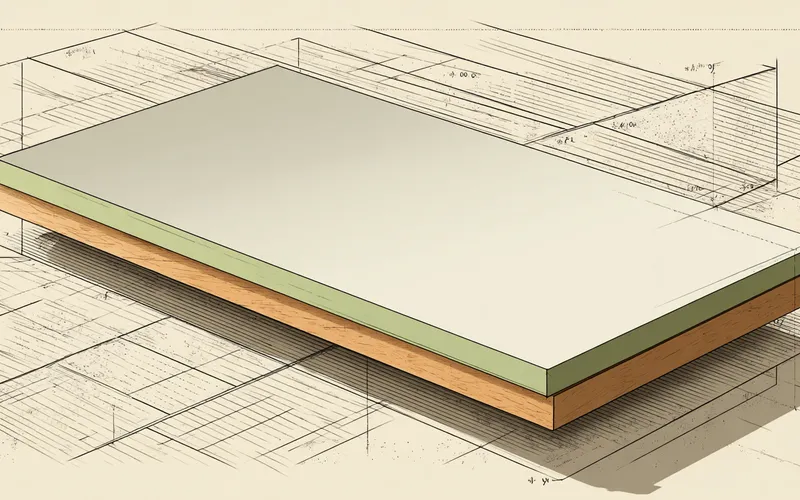
Anti-Fatigue Mats
The hub for anti-fatigue matting, cushioned floor mats that reduce the fatigue of standing on hard surfaces, chosen by workplace, standing time and environment.
Explore matting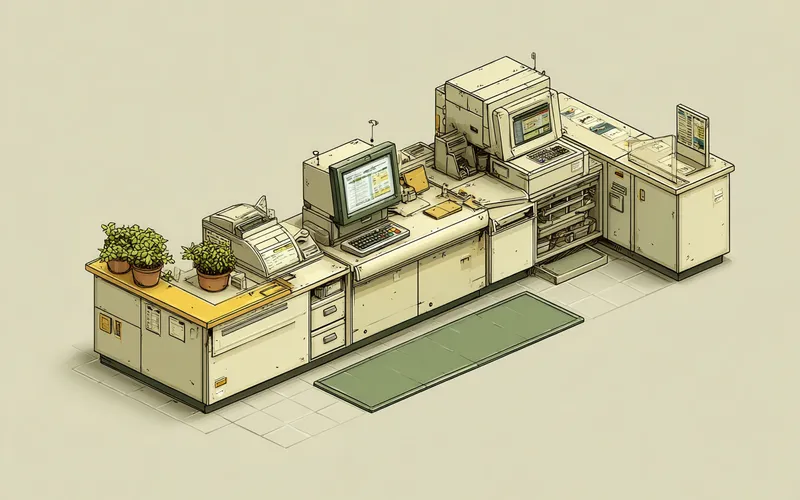
Cashier & Register Mats
Anti-fatigue matting for checkouts and service counters, comfort at a fixed standing position, with the clean look and trip-safe edges retail needs.
Explore mattingGet help choosing
Find the right mat for your standing zone
Tell us the environment, standing hours, floor type, any wet, oil, grease or ESD condition, the approximate size or number of stations, and any sustainability requirements. We’ll return a neutral mat specification you can use with any supplier.
- No obligation
- No paid rankings
- US & Canada